
News
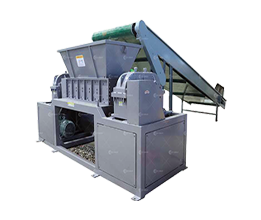
Wood and Plastic Pallet Shredder: Efficient Recycling Machine for Waste Pallets
Wood and Plastic Pallet Shredder: Efficient Recycling Machine for Waste Pallets
Waste pallets are widely used in logistics, warehousing, manufacturing, retail, and transportation. After repeated use, damaged or discarded pallets can occupy considerable storage space and create additional disposal costs. A wood and plastic pallet shredder provides an efficient solution for reducing and recycling these bulky materials.
Designed to process different types of waste pallets, a pallet shredder machine can break wooden and plastic pallets into smaller pieces for easier transportation, sorting, recycling, and reuse. For businesses handling large quantities of waste pallets, pallet shredding can improve material management while supporting more efficient recycling operations.
What Is a Wood and Plastic Pallet Shredder?
A wood and plastic pallet shredder is an industrial size-reduction machine designed to process waste pallets made from materials such as wood and plastic.
Wooden pallets are strong and often contain thick boards, blocks, and nails, while plastic pallets can be tough, rigid, and resistant to impact. A suitable pallet shredder uses powerful drive systems and durable cutting components to handle these materials efficiently.
The shredded material can then be sent to additional processing equipment depending on the final application. For example, shredded wood may be further processed for biomass fuel, mulch, bedding, or other recycled wood products. Plastic pallet waste can be processed into smaller plastic pieces for subsequent recycling and material recovery.
Can One Pallet Shredder Process Both Wood and Plastic Pallets?
Yes, a properly configured industrial shredder can be designed to handle both wood pallets and plastic pallets.
However, the ideal machine configuration depends on several factors, including:
- Pallet material and construction
- Pallet dimensions
- Required processing capacity
- Desired output size
- Moisture content and contamination
- Whether metal components such as nails are present
- Final use of the shredded material
For this reason, pallet recycling equipment should be selected according to the customer’s actual feedstock and production requirements rather than relying on capacity alone.
How Does a Pallet Shredder Machine Work?
The basic pallet shredding process is straightforward.
1. Pallet Feeding
Waste wooden or plastic pallets are loaded into the shredder’s feeding area. Depending on the equipment configuration and pallet dimensions, pallets may be fed manually or through a conveyor system.
2. Primary Shredding
Inside the machine, rotating cutting components grab and tear the pallets into smaller pieces. The powerful drive system is designed to handle bulky and relatively strong pallet materials.
3. Size Reduction
As the material passes through the shredding chamber, it is progressively reduced in size. The final particle or strip size depends on the machine configuration and the customer’s recycling requirements.
4. Discharge and Further Processing
The shredded material is discharged from the machine and can then be collected, conveyed, screened, separated, or sent to additional recycling equipment.
For larger recycling projects, the pallet shredder can be integrated into a complete pallet recycling line.
Key Features of a Wood and Plastic Pallet Shredder
High-Power Shredding
Waste pallets are bulky and structurally strong. A heavy-duty pallet shredder uses a powerful drive system and durable blades to efficiently reduce these materials.
The original SUNY pallet-shredding solution emphasizes powerful motors, sharp cutting components, continuous processing, and size reduction for wooden pallets.
Adjustable Output Size
Different recycling applications require different material sizes. A suitable shredder can be configured according to the required output size and downstream processing system.
This makes the equipment suitable for applications where shredded pallets need to be transported, screened, reused, or processed further.
Continuous Processing
For commercial and industrial recycling operations, continuous shredding can help improve processing efficiency and reduce manual handling.
The machine can be combined with feeding and conveying equipment to create a more streamlined pallet recycling process.
Safety Features
Industrial shredders should incorporate appropriate safety systems, such as emergency stop devices, protective structures, and sensors.
These features help operators manage the equipment more safely during daily operation and maintenance.
Wood Pallet Recycling with a Shredder
Wooden pallets are among the most common reusable transport platforms. When they become damaged beyond repair, shredding provides an alternative to simply disposing of them.
A wood pallet shredder can reduce bulky pallets into smaller wood pieces that are easier to handle and transport.
Depending on the material quality and final processing system, shredded wood may be used for:
- Biomass fuel
- Mulch
- Animal bedding
- Recycled wood products
- Other wood-based applications
Reducing the volume of waste wood can also make storage and transportation more efficient. These recycling and resource-recovery benefits are consistent with the applications described in SUNY’s existing wooden pallet shredder article.
Plastic Pallet Recycling with a Shredder
Plastic pallets are increasingly used in logistics and industrial supply chains because of their durability and resistance to moisture. However, damaged plastic pallets eventually need to be recycled or processed.
A plastic pallet shredder can reduce discarded plastic pallets into smaller pieces, making the material easier to handle and prepare for downstream recycling.
After shredding, plastic material can potentially undergo additional processes such as screening, separation, washing, drying, or granulation, depending on the type of plastic and the required recycled product.
For companies processing both wooden and plastic pallets, selecting a flexible shredding system can simplify waste management and reduce the need for separate size-reduction equipment.
Benefits of Pallet Shredding
Using a pallet shredder offers several practical benefits for waste management and recycling businesses.
Reduce Waste Volume
Large pallets take up significant space. Shredding reduces their bulk, making storage and transportation more efficient.
Lower Transportation and Disposal Costs
Smaller shredded materials can be handled and transported more efficiently than intact pallets. This can help reduce unnecessary transportation and disposal expenses.
Improve Material Recovery
Instead of treating damaged pallets simply as waste, shredding prepares them for further recycling and resource recovery.
Support Sustainable Recycling
Wood and plastic recovered from waste pallets can potentially be returned to productive applications, reducing reliance on virgin raw materials.
Improve Processing Efficiency
For businesses handling large quantities of waste pallets, mechanical shredding can reduce manual handling and improve overall processing efficiency.
Wood Pallet Shredder vs. Plastic Pallet Shredder
Although both machines are used for pallet recycling, the material characteristics are different.
| Material | Main Characteristics | Typical Shredding Considerations |
|---|---|---|
| Wood Pallets | Rigid, fibrous, often contain nails | Heavy-duty cutting system and robust construction |
| Plastic Pallets | Tough, rigid, impact-resistant | Cutting system suitable for plastic material |
| Mixed Pallets | Different material characteristics | Machine configuration should be selected according to feedstock |
If the recycling facility processes only one material, the machine can be optimized for that material. If both wood and plastic pallets are processed, the equipment should be evaluated according to the actual mixture, dimensions, capacity, and output requirements.
How to Choose the Right Pallet Shredder?
Before purchasing a pallet shredder machine, buyers should provide several key details.
1. What type of pallets do you process?
Tell the manufacturer whether the feedstock consists of wooden pallets, plastic pallets, or both.
2. What is your required capacity?
Capacity is normally specified in kg/h or tons/day. A higher-capacity recycling project may require a larger shredding system and automated feeding.
3. What are the pallet dimensions?
Pallet size affects the feeding system, shredding chamber, and overall equipment configuration.
4. What output size do you need?
The desired size of the shredded material should be determined according to the next recycling step.
5. What is the final application?
Whether the material will be used for biomass, further wood processing, plastic recycling, or another application can affect the equipment configuration.
By providing this information, the manufacturer can recommend a more suitable pallet shredding solution.
Pallet Shredder for Efficient Waste Management
A wood and plastic pallet shredder can turn bulky waste pallets into smaller, more manageable material for recycling and further processing. For companies dealing with damaged wooden pallets, discarded plastic pallets, or mixed pallet waste, shredding is an important first step toward more efficient material recovery.
With high-power shredding, adjustable size reduction, continuous processing, and appropriate safety systems, a pallet shredder can help businesses reduce waste volume, optimize storage and transportation, and prepare recovered materials for further recycling.
If you are looking for a wood pallet shredder, plastic pallet shredder, or complete pallet recycling machine, SUNY GROUP can provide a suitable solution according to your pallet material, capacity, dimensions, and output requirements. Contact us with your requirements to discuss the appropriate pallet shredding equipment.
Contact Us
Address
Henan Communication Industrial Park, Economic Development Zone, Zhengzhou City, Henan Province, China