
News
Can shredders shred agricultural waste?
Agriculture produces tons of organic waste every year — think corn stalks, rice straw, sugarcane tops, and even fruit and vegetable scraps. But handling all this biomass can be a real headache for farmers, landscapers, and eco-conscious businesses. So, the question arises: can shredders shred agricultural waste efficiently? In this blog, we’ll break down the facts, provide actionable insights, and reveal why investing in the right shredder could be a game-changer for your farm or business.
Why Agricultural Waste Is a Big Deal
Globally, the Food and Agriculture Organization (FAO) estimates that over 1.3 billion tons of food and crop residue is wasted each year. Not only does this pose an environmental challenge, but improper disposal can also lead to pests, soil degradation, and greenhouse gas emissions. Converting agricultural waste into compost, mulch, or biomass fuel is becoming increasingly popular — and that’s where shredders come in.
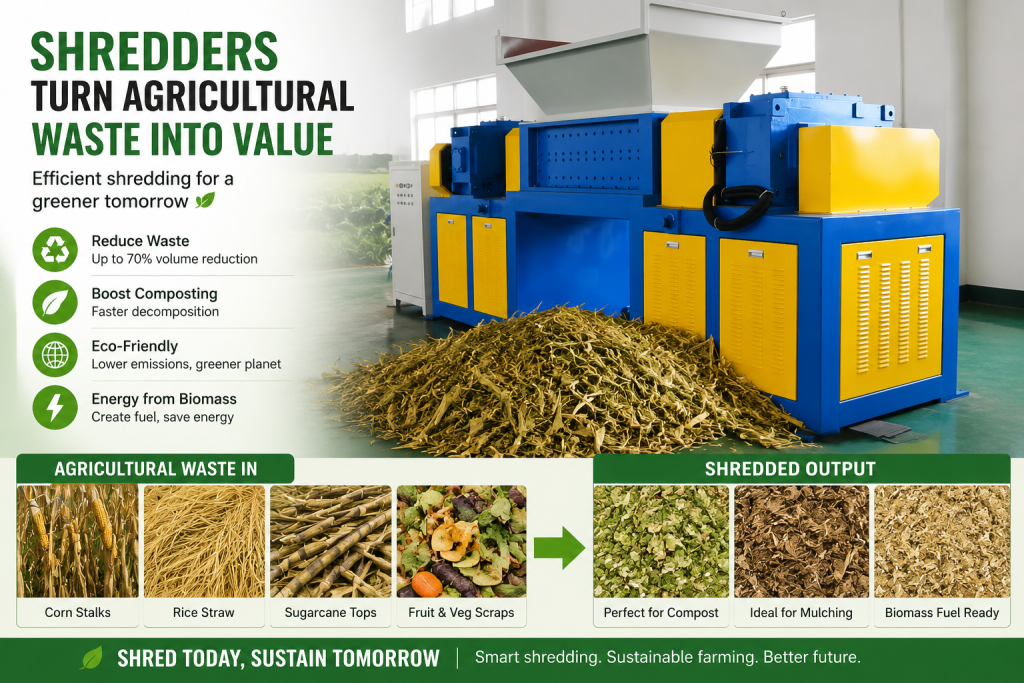
Can Shredders Handle Agricultural Waste?
The short answer: Yes, but it depends on the type of shredder and the material.
1. Types of Agricultural Waste Shredders
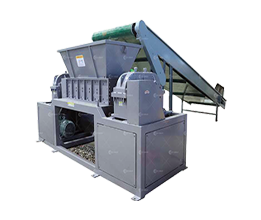
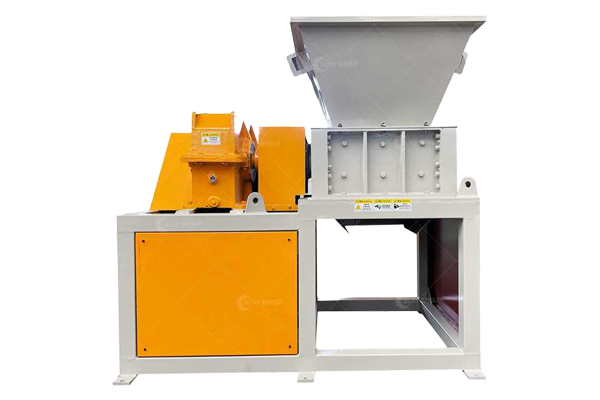
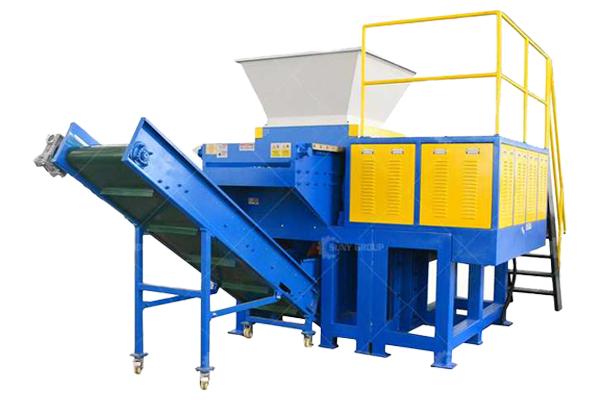
- Single-shaft shredders – Ideal for soft and medium-hard materials like vegetable stems, leaves, and fruit waste. They offer precision and consistent shredding.
- Double-shaft shredders – Perfect for tougher, fibrous crops such as sugarcane tops, corn stalks, and rice straw. They generate more torque, ensuring even thick stalks are processed efficiently.
- Hammer mills – Great for reducing organic matter into fine particles for composting or biofuel production.
2. What Can Be Shredded?
- Crop residues: corn stalks, wheat stalks, rice straw
- Fruit and vegetable scraps
- Garden waste: leaves, small branches
- Other organic biomass: sugarcane tops, coconut husks
3. What Shredders Cannot Handle
- Large tree trunks or extremely hard wood without pre-cutting
- Rocks, metals, or synthetic materials mixed with waste
Benefits of Using Shredders for Agricultural Waste
Investing in the right shredder comes with several tangible benefits:
- Boosted Composting Efficiency – Shredded material decomposes faster, producing nutrient-rich compost in weeks instead of months.
- Reduced Waste Volume – Shredding can reduce waste size by up to 70%, saving storage space and disposal costs.
- Eco-Friendly Solutions – Instead of burning crop residues, shredding enables recycling and soil enrichment, lowering carbon footprint.
- Fuel for Biomass Energy – Shredded agricultural waste can be converted into pellets or briquettes, offering a renewable energy source.
Tips to Maximize Shredder Efficiency
- Pre-sort waste – Remove stones, metals, and non-organic debris to prevent machine damage.
- Cut large stalks – Reduce long stalks to manageable lengths for smoother shredding.
- Regular maintenance – Keep blades sharp and check for wear to maintain consistent performance.
- Match shredder type to waste – Double-shaft for fibrous materials, single-shaft for softer scraps.
Conclusion
Yes, shredders can transform agricultural waste into valuable resources, but choosing the right machine is key. From composting and mulching to biomass energy, shredded agricultural waste opens doors to sustainable practices and cost savings. By understanding the types of shredders, their capacities, and best practices, farmers and businesses can reduce waste, improve soil health, and contribute to a greener planet. Don’t let agricultural waste pile up — turn it into opportunity today.
Contact Us
Address
Henan Communication Industrial Park, Economic Development Zone, Zhengzhou City, Henan Province, China