
News
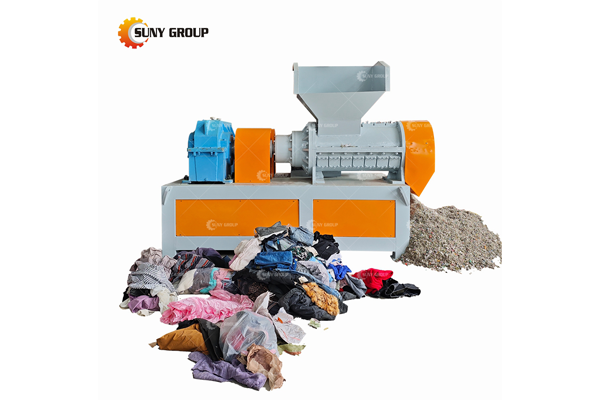
Can PE film be recycled using a soft material shredder?
Plastic waste is becoming one of the world’s biggest environmental challenges, and PE film recycling is now more important than ever. From agricultural film and stretch wrap to shopping bags and packaging film, polyethylene (PE) waste is generated in massive quantities every day. The good news? Yes — PE film can absolutely be recycled using a soft material shredder, and doing so can significantly improve recycling efficiency, reduce labor costs, and increase profits.
In fact, according to global recycling industry reports, flexible plastic waste accounts for millions of tons of recoverable material annually. However, due to its lightweight and tangled nature, PE film is notoriously difficult to process without the right equipment.
That’s where the soft material shredder becomes a game changer.
In this article, we’ll explain how PE film recycling works, why shredders are essential, common challenges recyclers face, and how businesses can maximize efficiency with the right shredding solution.
What Is PE Film?
PE film refers to polyethylene plastic film, one of the most widely used flexible plastics in the world. Common examples include:
- Stretch film
- Agricultural film
- Plastic shopping bags
- Bubble wrap
- Packaging film
- Industrial wrapping film
PE film is lightweight, durable, moisture-resistant, and inexpensive, making it popular across industries. However, these same qualities also make recycling difficult without specialized machinery.
Can PE Film Be Recycled Using a Soft Material Shredder?
The short answer is: Yes, and it is one of the most effective methods available today.
A soft material shredder is specifically designed to process lightweight, flexible, and tangled materials like PE film. Unlike ordinary shredders, these machines use optimized blade structures, feeding systems, and anti-wrapping technology to prevent clogging and improve cutting performance.
After shredding, PE film can be further processed through:
- Washing
- Drying
- Pelletizing
- Re-manufacturing into recycled plastic products
This creates a complete circular recycling system that transforms waste into reusable raw materials.
Why Traditional Shredders Struggle With PE Film
One of the biggest recycling problems is that standard shredders often fail when handling soft plastics.
Here’s why:
1. Film Easily Wraps Around Shafts
PE film is extremely flexible. Traditional blades often cause the material to wrap around rotating shafts, leading to downtime and maintenance issues.
2. Low Density Causes Feeding Problems
Because PE film is lightweight, it may float or fail to feed consistently into conventional shredders.
3. High Moisture and Dirt Content
Post-consumer PE film frequently contains moisture, mud, labels, or contaminants that reduce shredding efficiency.
Soft material shredders are engineered specifically to solve these issues.
Key Benefits of Using a Soft Material Shredder for PE Film Recycling
Higher Recycling Efficiency
Modern soft material shredders can process large volumes continuously, dramatically improving plant productivity.
Reduced Labor Costs
Automatic feeding and shredding systems minimize manual handling and operator intervention.
Better Particle Size Control
Uniform shredded pieces improve washing and pelletizing performance later in the recycling line.
Lower Maintenance Costs
Anti-winding rotor designs reduce blade wear and machine downtime.
Increased Profitability
Recycled PE pellets remain in strong demand worldwide for manufacturing packaging materials, pipes, containers, and more.
Frequently Asked Questions About PE Film Recycling
What type of PE film can be recycled?
Most PE films can be recycled, including:
- LDPE film
- HDPE film
- Agricultural film
- Stretch wrap
- Industrial packaging film
Can wet PE film be shredded?
Yes. Many industrial soft material shredders are designed to handle wet materials efficiently.
What is the ideal shredder for PE film?
A dual-shaft or single-shaft soft material shredder with anti-wrapping technology is typically the best solution for flexible plastics.
Is PE film recycling profitable?
Absolutely. With rising plastic prices and increasing environmental regulations, recycled PE pellets have become highly valuable in global markets.
Important Tips for Improving PE Film Recycling Efficiency
To maximize output and machine lifespan, recyclers should:
- Remove excessive metal contamination before shredding
- Use conveyor feeding systems for stable material input
- Maintain blade sharpness regularly
- Combine shredding with washing and pelletizing systems
- Choose machines specifically designed for soft plastic materials
These strategies can significantly improve operational efficiency and reduce production costs.
The Future of PE Film Recycling
As governments tighten environmental regulations and companies pursue sustainable packaging goals, PE film recycling is rapidly expanding worldwide.
Advanced recycling systems powered by intelligent shredding technology are helping businesses:
- Reduce landfill waste
- Recover valuable plastic resources
- Meet sustainability targets
- Improve long-term profitability
For recycling companies, investing in a high-quality soft material shredder is no longer optional — it is becoming essential for staying competitive.
Conclusion
So, can PE film be recycled using a soft material shredder?
Definitely yes. In fact, soft material shredders are among the most effective solutions for processing flexible plastic waste efficiently and profitably.
By using specialized shredding technology, recyclers can overcome common challenges like wrapping, clogging, and unstable feeding while improving output quality and operational efficiency.
As demand for sustainable recycling solutions continues to grow, businesses that invest in advanced PE film recycling systems today will be better positioned for long-term success tomorrow.
Contact Us
Address
Henan Communication Industrial Park, Economic Development Zone, Zhengzhou City, Henan Province, China