
News
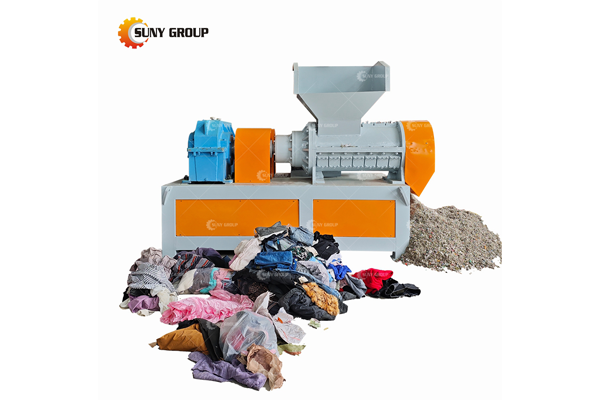
Industrial Spiral Shredder for Soft Materials and Plastic Waste Recycling
Plastic waste is no longer just an environmental problem — it is now a major business challenge. From soft film scraps and woven bags to textile leftovers and packaging waste, manufacturers are under growing pressure to recycle efficiently while reducing operational costs.
That is where the Industrial Spiral Shredder for Soft Materials and Plastic Waste Recycling becomes a game-changer.
Unlike traditional shredders that struggle with flexible materials, spiral shredders are specifically engineered to process lightweight, tangled, and soft waste with higher efficiency and fewer blockages. As global plastic production exceeds 400 million tons annually, recycling systems must become smarter, faster, and more reliable.
What Is an Industrial Spiral Shredder?
An industrial spiral shredder is a heavy-duty recycling machine designed to shred soft and flexible materials using a spiral feeding and cutting mechanism.
These machines are commonly used for processing:
- Plastic film
- Woven bags
- Jumbo bags
- Agricultural film
- Textile waste
- Soft packaging materials
- PE and PP plastic scraps
- Foam and lightweight waste
Unlike conventional crushers, spiral shredders continuously pull material inward, preventing wrapping and material jams.
7 Powerful Benefits of Industrial Spiral Shredders
1. Superior Performance for Soft Materials
Soft plastics often wrap around standard shredder shafts, causing downtime and maintenance headaches.
A spiral shredder solves this by using:
- Continuous feeding technology
- Anti-wrapping blade design
- Intelligent material pulling structure
This dramatically improves operational stability.
2. Higher Recycling Efficiency
Modern spiral shredders can process hundreds or even thousands of kilograms per hour depending on machine size.
For recycling plants, this means:
- Faster throughput
- Lower labor costs
- Increased production output
- Better ROI
Many facilities report productivity increases of over 30% after upgrading outdated shredding systems.
3. Reduced Machine Blockage
One of the biggest frustrations in plastic recycling is material clogging.
Industrial spiral shredders minimize:
- Shaft entanglement
- Feeding interruptions
- Unexpected shutdowns
This helps maintain continuous production flow.
4. Lower Energy Consumption
Energy costs continue rising globally.
Advanced spiral shredders now include:
- Smart motor control systems
- Optimized cutting geometry
- Energy-saving drive systems
As a result, manufacturers can reduce power consumption while maintaining strong cutting performance.
5. Versatile Material Compatibility
A high-quality industrial spiral shredder can handle multiple waste streams simultaneously.
This flexibility is extremely valuable for:
- Plastic recycling plants
- Packaging factories
- Textile manufacturers
- Waste management facilities
Instead of purchasing several machines, businesses can centralize processing with one efficient system.
Frequently Asked Questions About Industrial Spiral Shredders
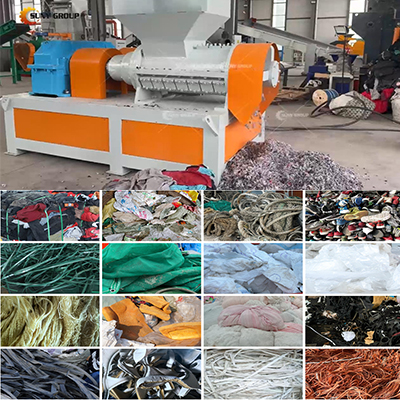
What materials can a spiral shredder process?
Industrial spiral shredders are ideal for:
- LDPE film
- HDPE film
- PP woven bags
- Raffia
- Textile scraps
- Nonwoven fabric
- Foam waste
- Flexible packaging materials
How is a spiral shredder different from a double-shaft shredder?
A spiral shredder is specifically optimized for soft and lightweight materials.
Compared with double-shaft shredders, it offers:
- Better feeding performance
- Less wrapping
- Higher efficiency for films and textiles
- Lower maintenance frequency
Double-shaft shredders are typically better for rigid plastics and bulky waste.
Is a spiral shredder suitable for washing lines?
Yes. Spiral shredders are commonly integrated into:
- Plastic washing lines
- Film recycling systems
- Pelletizing lines
They help reduce material size before washing and drying processes.
What should buyers consider before purchasing?
Before investing, consider:
- Material type
- Moisture level
- Required capacity
- Blade durability
- Motor power
- Automation level
- Maintenance accessibility
Choosing the right configuration significantly impacts long-term profitability.
How Spiral Shredders Support Sustainable Manufacturing
Governments and consumers increasingly demand sustainable production practices.
By installing advanced recycling systems, companies can:
- Reduce landfill waste
- Lower raw material costs
- Improve ESG performance
- Meet environmental regulations
- Strengthen brand reputation
In many industries, recycling is no longer optional — it is becoming a competitive advantage.
The Future of Plastic Waste Recycling
The future of recycling is automation, efficiency, and intelligent processing.
Next-generation spiral shredders are evolving with:
- AI-assisted monitoring
- Automatic overload protection
- Smart feeding systems
- Predictive maintenance technology
These innovations help recycling facilities operate more efficiently while minimizing downtime.
Businesses that invest early in advanced recycling equipment will likely gain stronger market positioning over the next decade.
Conclusion
Industrial spiral shredders are transforming the way manufacturers process soft materials and plastic waste.
With higher efficiency, lower maintenance, reduced energy consumption, and superior handling of flexible materials, these machines have become essential for modern recycling operations.
As plastic waste continues to grow worldwide, investing in the right shredding technology is no longer just about waste management — it is about profitability, sustainability, and future business growth.
Companies looking to improve recycling performance should strongly consider upgrading to an industrial spiral shredder designed specifically for soft material applications.
Contact Us
Address
Henan Communication Industrial Park, Economic Development Zone, Zhengzhou City, Henan Province, China