
News
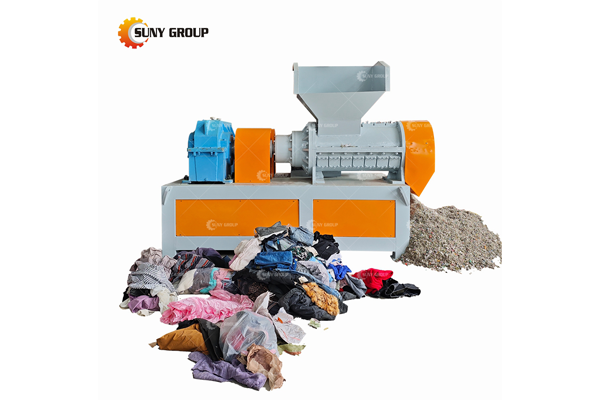
The Hidden Business Value Behind Old Clothes Shredders
Mountains of discarded clothing are growing faster than ever. Every year, millions of tons of textiles end up in landfills, creating environmental pressure and economic waste. Yet, within this challenge lies a powerful opportunity. Old clothes shredders are no longer just industrial machines — they are profit engines driving a new circular economy.
Businesses that understand the hidden business value behind old clothes shredders are gaining competitive advantages, unlocking new revenue streams, and positioning themselves at the forefront of sustainable manufacturing. If you’re exploring textile recycling or seeking smarter waste management solutions, this guide reveals how shredding technology transforms discarded garments into financial growth.
The Rising Market Demand for Textile Recycling
The global textile recycling market is experiencing explosive growth. According to industry estimates, it is expected to exceed $7 billion by 2030, driven by environmental regulations, sustainability awareness, and circular economy initiatives.
Why this matters:
- Landfill costs are rising sharply
- Governments are tightening waste disposal regulations
- Brands are adopting sustainability mandates
- Consumers are demanding eco-friendly products
Old clothes shredders play a crucial role in enabling businesses to adapt to these changes while maintaining profitability.
5 Hidden Business Value Drivers of Old Clothes Shredders
1. Transforming Waste into Revenue Streams
Instead of paying disposal fees, companies can monetize textile waste. Shredded materials can be sold as:
- Insulation materials
- Industrial wiping cloths
- Fiber for nonwoven products
Filling materials for furniture and automotive parts
This conversion from cost center to profit generator is one of the most compelling reasons to invest.
2. Lower Operational Costs Through Efficient Waste Processing
Modern shredders reduce manual labor and improve material handling efficiency. By automating the breakdown process, companies achieve:
- Faster processing speeds
- Reduced labor dependency
- Lower storage requirements
- Improved production workflow
This operational optimization directly impacts profitability.
3. Supporting ESG and Sustainability Goals
Environmental, Social, and Governance (ESG) metrics now influence investor decisions and brand reputation. Implementing textile shredding solutions helps businesses:
- Reduce landfill contributions
- Lower carbon footprint
- Meet corporate sustainability targets
- Enhance brand image
Sustainability is no longer optional — it is a strategic advantage.
4. Unlocking Circular Economy Opportunities
Shredded textile fibers can re-enter manufacturing cycles. This supports:
- Closed-loop production systems
- Resource conservation
- Long-term cost stability
Companies that adopt circular models often experience improved supply chain resilience.
5. Expanding Market Reach Through Recycled Product Innovation
Recycled textile fibers enable the development of new product lines, such as:
- Eco-friendly packaging
- Recycled yarn and fabrics
- Acoustic insulation materials
- Sustainable construction products
Innovation driven by shredding technology opens doors to emerging green markets.
Frequently Asked Questions About Old Clothes Shredders
Q1: How profitable is textile shredding as a business?
Textile shredding profitability depends on material sourcing, processing efficiency, and downstream markets. However, many recycling businesses report profit margins of 15–30% when operating optimized systems.
Q2: What types of clothing materials can be shredded?
Most industrial shredders handle:
- Cotton
- Polyester
- Wool
- Blended fabrics
- Denim and synthetic textiles
Proper machine configuration ensures consistent output quality.
Q3: What industries use shredded textile fibers?
Key industries include:
- Automotive manufacturing
- Construction and insulation
- Furniture production
- Packaging
- Nonwoven fabric manufacturing
Demand continues to expand as sustainability trends accelerate.
Q4: Is textile shredding environmentally beneficial?
Yes. Textile recycling significantly reduces:
- Landfill waste volume
- Water pollution
- Carbon emissions from incineration
Each ton of recycled textile can save thousands of liters of water compared to producing virgin fibers.
Old clothes shredders represent far more than industrial equipment — they are catalysts for economic transformation in the recycling sector. By converting textile waste into valuable raw materials, businesses can reduce costs, meet sustainability goals, and unlock new market opportunities.
As the global demand for circular solutions intensifies, companies that invest early in textile shredding technology will gain lasting competitive advantages. The future of waste management is not disposal — it is reinvention.
Contact Us
Address
Henan Communication Industrial Park, Economic Development Zone, Zhengzhou City, Henan Province, China