
News
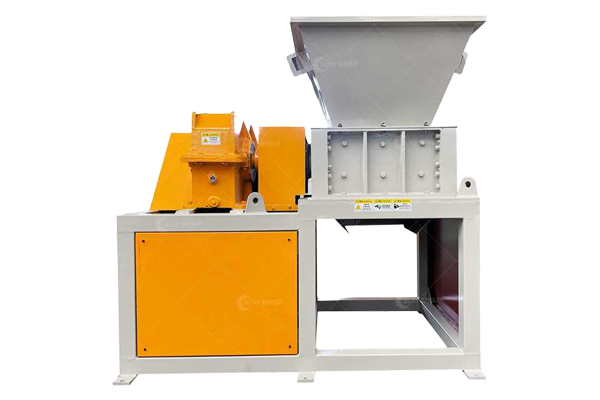
Can a mini shredder shred HDPE?
If you’re dealing with plastic waste—especially HDPE (High-Density Polyethylene)—you’ve probably asked yourself this exact question:
Can a mini shredder really shred HDPE, or is it just marketing hype?
It’s a fair concern. HDPE is everywhere: detergent bottles, milk jugs, chemical containers, pipes, caps, crates. It’s tough, impact-resistant, and designed to not break easily. Pair that with the word mini, and doubt naturally creeps in.
Yes, a mini shredder can shred HDPE
What Is HDPE and Why Is It Hard to Shred?
HDPE (High-Density Polyethylene) is a thermoplastic polymer known for:
- High tensile strength
- Excellent impact resistance
- Chemical stability
- Melting point around 130°C (266°F)
According to industry data, HDPE accounts for nearly 36% of all plastic packaging worldwide, making it one of the most recycled—and most shredded—plastics.
But here’s the catch:
HDPE doesn’t crack or snap like brittle plastics. Instead, it flexes, stretches, and fights back. That’s why not every shredder can handle it.
So, Can a Mini Shredder Shred HDPE?
Yes
A mini shredder can shred HDPE if it meets these criteria:
- Sufficient motor torque
- Hardened cutting blades
- Proper shaft speed
- Correct material thickness
If any of these are lacking, the shredder may jam, overheat, or simply chew without cutting.
What Type of HDPE Can a Mini Shredder Handle?
Let’s be specific—because this matters.
✅ HDPE Materials That Mini Shredders CAN Handle
- Thin HDPE bottles (milk jugs, detergent bottles)
- HDPE caps and lids
- Small containers (cut or flattened)
- Thin sheets (under 3–5 mm, depending on machine)
- HDPE flakes or offcuts
❌ HDPE Materials That Are NOT Ideal
- Thick-walled HDPE pipes
- Industrial crates or pallets
- Solid HDPE blocks
- Large chemical drums (uncut)
Pro tip: Pre-cutting HDPE into smaller pieces can increase shredding efficiency by up to 40%.
Key Factors That Determine Success
1. Motor Power Isn’t Everything—Torque Is
- Many buyers focus on wattage, but torque is the real hero.
HDPE requires slow, powerful rotation—not speed. - Ideal mini shredder speed: 20–60 RPM
- High torque = clean cuts, fewer jams
2. Blade Design Makes or Breaks It
For HDPE, look for:
- Hooked or claw-style blades
- Hardened steel (H13, D2, or similar)
- Replaceable or re-sharpenable knives
Straight blades designed for paper or soft plastic will struggle.
3. Single-Shaft vs Dual-Shaft Mini Shredders
Single-shaft mini shredders: Good for thin HDPE, lower cost
Dual-shaft mini shredders: Better grip, stronger pull-in, more reliable for HDPE
If HDPE is your main material, dual-shaft wins—even in mini form.
Frequently Asked Questions About Mini Shredders and HDPE
Can a mini shredder shred HDPE bottles?
Absolutely. In fact, HDPE bottles are one of the most common applications. Flattening them first improves output and reduces wear.
Will HDPE melt during shredding?
Not if the shredder runs at low speed and high torque. High-speed cutters can cause friction heat—avoid them.
How small will the shredded HDPE be?
That depends on:
- Screen size (if included)
- Blade spacing
- Number of passes
Typical output: 10–30 mm flakes, perfect for washing, extrusion, or pelletizing.
Is a mini shredder suitable for HDPE recycling businesses?
For small-scale recycling, workshops, labs, startups, and R&D, yes.
For industrial-scale throughput? You’ll need a larger granulator or shredder line.
So, can a mini shredder shred HDPE?
Yes—but only when you choose wisely.
With the right design, torque, and blades, a mini shredder can become a powerful ally in HDPE recycling, waste reduction, and sustainable production. It’s not about size—it’s about engineering.
If you’re serious about shredding HDPE efficiently, don’t chase the cheapest option. Choose the right one—and let the machine work for you, not against you.
Contact Us
Address
Henan Communication Industrial Park, Economic Development Zone, Zhengzhou City, Henan Province, China